An easy-to-understand guide for patients.
If you're dealing with jaw pain, clicking, or stiffness, you might be surprised to learn that the root of your problem could be in your neck. Many people don't realise how closely the jaw and neck are connected. This article explains the relationship between the muscles of your neck (the cervical muscles) and temporomandibular joint (TMJ) disorders in simple terms.
What Is TMJ Disorder?
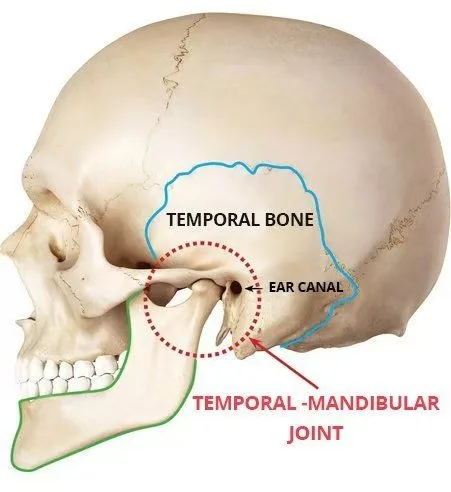
The temporomandibular joint (TMJ) is the hinge-like joint on each side of your face, just in front of your ears. It connects your jawbone to your skull and allows you to talk, chew, and yawn. When people experience pain or problems with this joint, it's called a temporomandibular disorder, often shortened to TMD or simply called "TMJ".
Common signs of TMJ disorder include:
- Pain in the jaw joint or the muscles around your jaw
- Clicking, popping, or grating sounds when opening or closing your mouth
- Difficulty opening your mouth wide, or jaw locking
- Headaches, earaches, or toothaches
- Neck pain and stiffness
Why Are Your Jaw and Neck Connected?
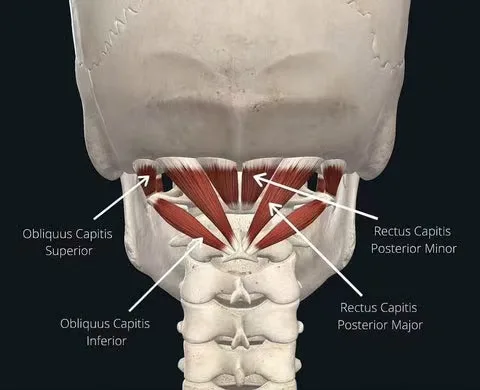
Your jaw and neck are closely linked in three important ways:
1. Muscles Work Together
The muscles that move your jaw don't work in isolation. They coordinate with the muscles in your neck and shoulders. When your jaw muscles are tight from clenching or grinding, this tension can spread down into your neck. Similarly, poor neck posture can strain your jaw muscles.
2. The Brain's "Pain Pathway"
There's a special area in your brainstem where nerve signals from your jaw (trigeminal nerve) and neck (upper cervical nerves) come together. This is called the trigeminocervical complex. Because these nerve pathways overlap, pain signals from your neck can be felt in your jaw, and jaw pain can be felt in your neck.
Research shows that when people have a TMJ disorder, they are much more likely to experience neck pain. One study found that over 88% of patients with TMJ disorders reported neck pain.
3. Posture Affects Both Areas
The way you hold your head and neck affects the position of your jaw. When you sit with your head forward (like looking at a phone or computer for long periods), it changes the tension in your neck muscles. This can pull on your jaw joint and contribute to TMJ pain. This is why physical therapists often treat both the jaw and neck together.
What Does Science Say About Neck Exercises for TMJ?
A recent clinical study tested whether strengthening the neck muscles could help people with TMJ disorders. The researchers divided patients into two groups: one group received standard TMJ care (education and home exercises), and the other group received the same care plus cervical stabilisation training (specific neck-strengthening exercises) for 8 weeks.
The results were encouraging:
- People who did neck exercises showed greater improvement in their TMJ symptoms compared to those who only received standard care
- The neck exercise group also showed better neck posture and muscle performance
- The biggest improvements were seen in TMJ pain at rest and in overall symptom severity
This study suggests that treating the neck can be a valuable part of managing TMJ pain.
How Neck Problems Can Contribute to TMJ Pain
When your neck muscles are weak, tight, or out of balance, it can cause issues that affect your jaw:
| Neck Problem | How It Affects Your Jaw |
|---|---|
| Forward head posture (slouching, looking down at a phone) | Strains neck muscles and changes jaw alignment |
| Weak deep neck flexors (the muscles that stabilise your neck) | Reduces head control, making jaw movement less coordinated |
| Tight neck muscles (like the sternocleidomastoid) | Can pull on the jaw and increase tension |
| Neck pain or injury | Pain signals can "refer" to the jaw area due to shared nerve pathways |
What You Can Do: Practical Tips for Relief
Here are simple, evidence-backed steps you can take to help both your jaw and neck.
Exercises That Help Both Areas
Physical therapists often recommend gentle exercises to improve neck posture and release tension. Some examples include:
- Chin Tucks: Gently pull your head straight back as if making a double chin. Hold for a few seconds. This strengthens the deep neck muscles.
- Head Nods: While lying down, gently nod your head without lifting it off the surface. This activates the deep neck flexors.
- Gentle Neck Stretches: Slowly tilt your ear toward your shoulder to stretch the side of your neck.
- Scapular Squeezes: Squeeze your shoulder blades together to improve upper back posture.
Always perform exercises gently and stop if they cause pain. Working with a physical therapist can be very helpful — they can create a program tailored to you.
Everyday Habits to Reduce Strain
- Check your posture: Try to keep your head aligned over your shoulders, especially when using phones or computers. Change positions frequently throughout the day — there's no single "perfect" posture, but variety helps.
- Rest your jaw: Keep your teeth slightly apart and your tongue resting on the roof of your mouth to relax the jaw muscles.
- Eat softer foods: If chewing hurts, choose softer foods like yoghurt, eggs, steamed vegetables, and smoothies.
- Use heat or ice: Apply a warm compress to your neck to relax tight muscles, or an ice pack to reduce inflammation and numb pain.
- Manage stress: Stress often causes teeth grinding and jaw clenching. Relaxation techniques like deep breathing or mindfulness can help.
- Ask your dentist about a mouthguard: If you grind your teeth at night (bruxism), a custom nightguard can protect your jaw joint and reduce muscle strain.
When to See a Professional
If home exercises and lifestyle changes don't help, consider seeing a healthcare provider. A multidisciplinary approach often works best, combining care from:
- Physical therapists who specialise in jaw and neck exercises
- Dentists who can evaluate your bite and provide oral appliances
- Pain specialists who can offer additional treatments like trigger point injections
- Physical medicine and rehabilitation doctors who manage musculoskeletal conditions
Seek medical attention if you have:
- Inability to open your mouth fully
- Persistent or worsening pain
- Swelling in your jaw or neck
- Dizziness or balance problems
The Takeaway
Your jaw and neck are partners in movement and function. Problems in the neck muscles can contribute to TMJ pain through shared nerve pathways and muscle connections. Treating the neck with targeted exercises and improved posture can be an effective way to manage TMJ symptoms.
While the research shows promise, it's important to remember that every patient is different — working with healthcare professionals to create a personalised treatment plan is the best path to relief. Book an assessment with us today and let us help you find the source of your pain.

Midtown Wellness
ACC-accredited clinic in Auckland CBD providing massage, acupuncture and physiotherapy. The hands with knowledge are powerful.