If you have ever felt pain or clicking in your jaw when you chew, speak or yawn, you are not alone. Temporomandibular disorders — often called TMD — affect the jaw joints and the muscles that control jaw movement.
TMD can be uncomfortable and distressing, but many cases improve with time and simple, conservative care. This guide explains what TMD is, what may contribute to it, how it is assessed and what you can do to manage it.
What Is TMD?
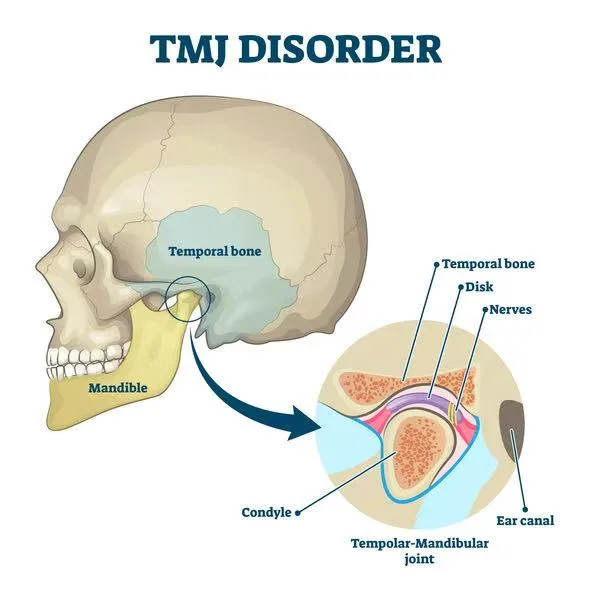
The temporomandibular joint, or TMJ, is the joint that connects your lower jaw to your skull just in front of each ear. It is a complex joint that allows your jaw to move up and down, side to side, and forwards and backwards.
TMD is the broader term for a group of conditions that affect one or both jaw joints, the chewing muscles, or both. TMJ refers to the joint itself; TMD refers to the disorder.
Common Symptoms
Symptoms vary from person to person and may include:
- Pain or tenderness in the jaw, face, temple, neck or around the ear
- Painful clicking, popping or grating when opening or closing the mouth
- Difficulty or pain when chewing, yawning or speaking
- Jaw stiffness, reduced movement or locking in an open or closed position
- Headaches or ear-area pain that has no obvious dental cause
- A change in the way the upper and lower teeth seem to fit together
Occasional clicking or popping without pain or restricted movement is common and usually does not need treatment. TMD becomes more concerning when pain or loss of function interferes with eating, sleeping, speaking or daily life.
What May Contribute to TMD?
TMD is rarely explained by one simple cause. In many cases the exact cause is unclear, and several physical, behavioural and psychological factors may overlap.
Jaw Muscle Overuse and Habits
Clenching or grinding the teeth can overload the chewing muscles and aggravate jaw pain. Other habits — such as frequent gum chewing, nail biting, holding objects between the teeth or repeatedly opening the mouth very wide — can also increase strain.
Injury or Joint Irritation
A blow to the jaw or face, a whiplash injury, or another event that strains the jaw may irritate the joint, its supporting tissues or the surrounding muscles. Arthritis and other joint conditions can also affect the TMJ.
Stress, Sleep and Pain Sensitivity
Stress and anxiety can increase muscle tension and make clenching more likely. Poor sleep and other persistent pain conditions may also influence how strongly pain is felt and how long symptoms last. This does not mean the pain is “all in your head”; it reflects the close relationship between muscles, behaviour and the nervous system.
Genetic and Biological Factors
Research suggests that genetics, pain-processing differences and other biological factors may affect a person’s susceptibility. TMD is more common in women, although the reasons for this are still being studied.
What About Your Bite?
Research does not support the idea that a “bad bite” or orthodontic braces are a usual cause of TMD. Treatments that permanently grind down teeth, reposition the bite or otherwise make irreversible dental changes should not be a routine first response to jaw pain.
How Is TMD Diagnosed?
There is no single test that diagnoses every type of TMD. A doctor, dentist or appropriately trained healthcare professional will usually:
- Ask where the pain is, when it occurs and what makes it better or worse
- Check jaw movement and how widely the mouth opens
- Feel the jaw joints and chewing muscles for tenderness
- Listen for clicking, popping or grinding
- Consider dental problems and other causes of facial or jaw pain
X-rays, CT scans or MRI may be useful when a specific joint problem or another condition is suspected, but imaging is not needed for everyone.
Treatment: Start with Simple, Reversible Care
Many jaw joint and muscle problems are temporary or improve with conservative management. Treatment should match the type and severity of your symptoms and should generally begin with the least invasive option.
1. Self-Care
- Choose softer foods during a painful flare and cut food into smaller pieces.
- Avoid gum, very hard or chewy foods, nail biting and unusually wide opening.
- Apply a wrapped warm or cold pack to the painful area — use whichever feels better and avoid direct contact with the skin.
- Keep your jaw relaxed: when you are not eating or swallowing, your teeth should usually be apart.
- Avoid resting your chin on your hand and notice whether posture or prolonged screen work aggravates symptoms.
- Use gentle jaw exercises only when recommended for your particular presentation.
2. Medication
Short-term over-the-counter pain relief may help some people. Anti-inflammatory medicines such as ibuprofen are not suitable for everyone and can interact with other medicines, so ask a pharmacist, doctor or dentist what is safe for you and follow the label. Prescription medicines should be used only under professional guidance.
3. Physiotherapy and Manual Therapy
A physiotherapist trained in TMD can assess jaw and neck movement and guide appropriate exercises. Treatment may include gentle stretching, movement retraining, posture advice and manual therapy to the jaw, face, neck and upper back. The goal is to improve comfortable movement and reduce muscle overload.
4. Stress and Behavioural Support
Relaxation strategies, biofeedback and cognitive behavioural therapy can help when stress, clenching or persistent pain is part of the picture. These approaches can interrupt the stress–clench–pain cycle and improve coping without suggesting that the symptoms are imaginary.
5. Oral Splints or Nightguards
A dentist may recommend a removable splint or nightguard, particularly when grinding is damaging the teeth. Evidence for relief of TMD pain is limited, so an appliance should be monitored, should not permanently change the bite, and should be stopped and reviewed if it increases pain.
6. When Are Procedures or Surgery Considered?
Procedures that enter the joint and surgery are generally reserved for carefully selected cases with a clear diagnosis when simpler options have not helped. Because these treatments carry greater risks and may make permanent changes, discuss the benefits and harms with an experienced specialist and consider seeking an independent second opinion before proceeding.
Living with TMD
Symptoms often fluctuate, especially during periods of stress or increased jaw use. Improvement may take weeks or months, so consistency and patience matter. Work with your healthcare team and gradually return to normal jaw use as symptoms settle rather than keeping the jaw on a permanently restricted diet.
When to See a Professional
Arrange a medical or dental assessment if:
- Pain is persistent, constant or worsening
- You cannot open your mouth enough to eat or drink normally
- Your jaw locks or makes loud, painful noises
- You develop swelling, fever, a new lump or recent significant trauma
- Your bite changes suddenly
- Self-care and appropriate pain relief are not helping
Seek urgent care if you cannot eat or drink, have rapidly increasing facial swelling, breathing or swallowing difficulty, severe symptoms after an injury, or other concerning neurological symptoms.
The Takeaway
TMD is manageable, and many people improve with education, self-care and targeted professional support. The safest approach is to identify your specific contributing factors and begin with conservative, reversible treatment.
If jaw pain, headaches or restricted movement are affecting your daily life, book an assessment with Midtown Wellness so we can help identify the factors contributing to your symptoms and plan appropriate care.
This article provides general health information and is not a substitute for individual medical or dental advice.

Midtown Wellness
ACC-accredited clinic in Auckland CBD providing massage, acupuncture and physiotherapy. The hands with knowledge are powerful.